
What Services Do Commercial Electrical Contractors Offer?
Commercial electrical contractors play a pivotal role in the construction and maintenance of electrical systems within commercial buildings. Their expertise ensures that the intricate electrical frameworks required in various commercial settings operate smoothly and safely. The nature of commercial electrical systems is inherently more complex and demanding than residential ones, necessitating specialized knowledge and skill. This is not only because of the sheer scale but also due to the diverse functional requirements of commercial enterprises. Hence, their contribution is integral in maintaining the backbone of modern commercial infrastructure.
Design and Installation of Electrical Systems
Initial Consultation and Assessment
Commercial electrical projects begin with a thorough consultation and assessment phase. During this stage, electrical contractors meet with clients to understand their specific needs and requirements. They evaluate the scope of the project, taking into account the size of the building, intended use, and specific electrical demands. This initial assessment is crucial for planning a customized electrical system that aligns with safety regulations and business operational needs. It sets the foundation for all subsequent phases of electrical design and installation.
Customized Electrical System Design
Based on the consultation outcomes, contractors proceed with designing a tailored electrical system. The design phase involves creating comprehensive plans and diagrams detailing circuitry, loads, and connection points. Skilled electrical engineers collaborate on this phase to ensure technical accuracy and efficiency. Moreover, this step involves selecting appropriate materials and components that meet quality standards and project specifications. Proper design not only ensures functional operation but also maximizes energy efficiency and reduces future maintenance needs.
Coordination with Architects and Engineers
Electrical design doesn't occur in isolation; it requires coordination with architects and structural engineers. This collaboration ensures that the electrical systems integrate seamlessly with the building's architectural design and structural framework. For instance, placements of electrical components such as outlets and junction boxes must align with interior layouts and design motifs. Such coordination helps prevent design conflicts and facilitates a more efficient construction process. Therefore, effective communication and teamwork are paramount during this phase.
Installation of Electrical Components
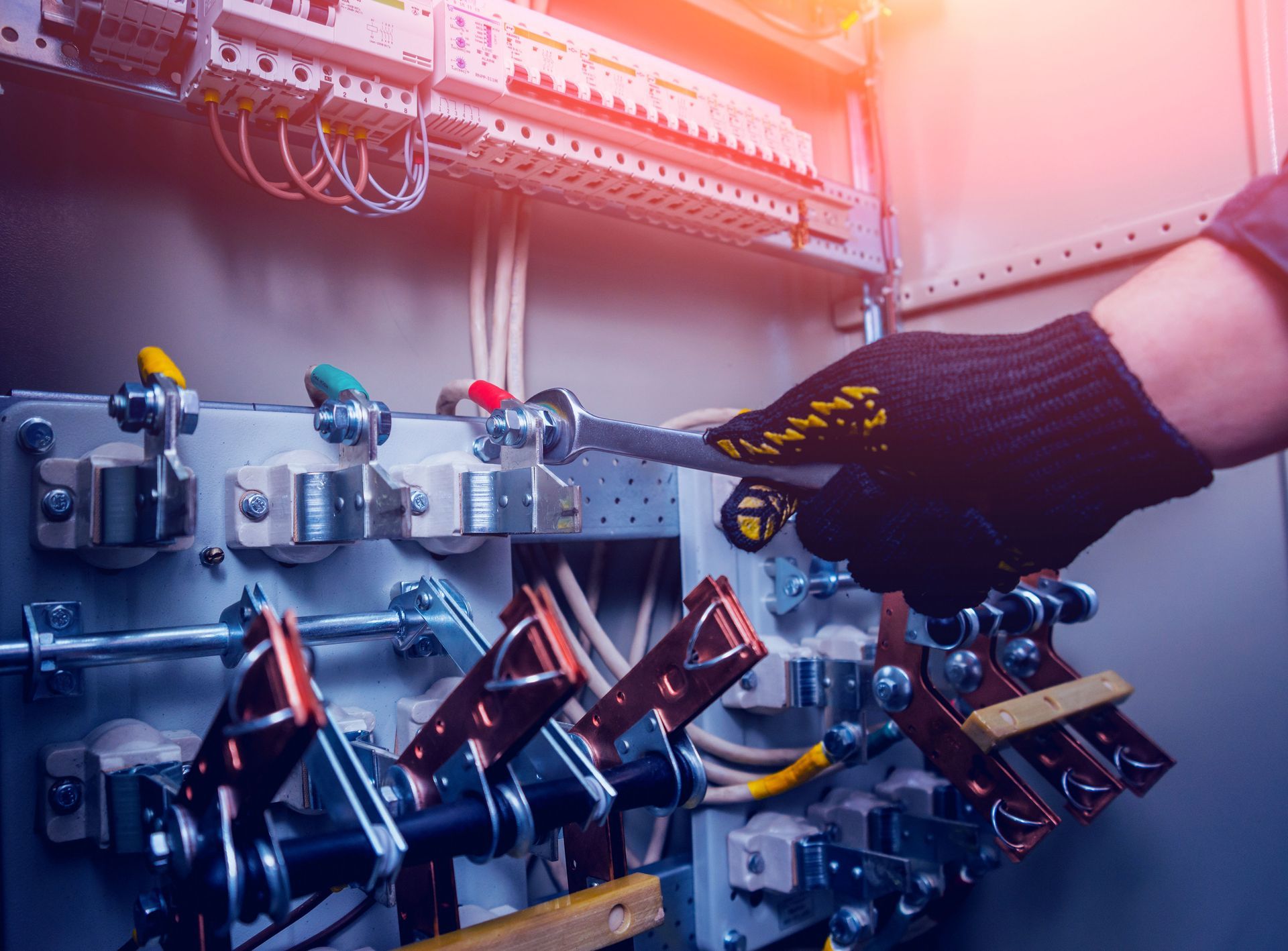
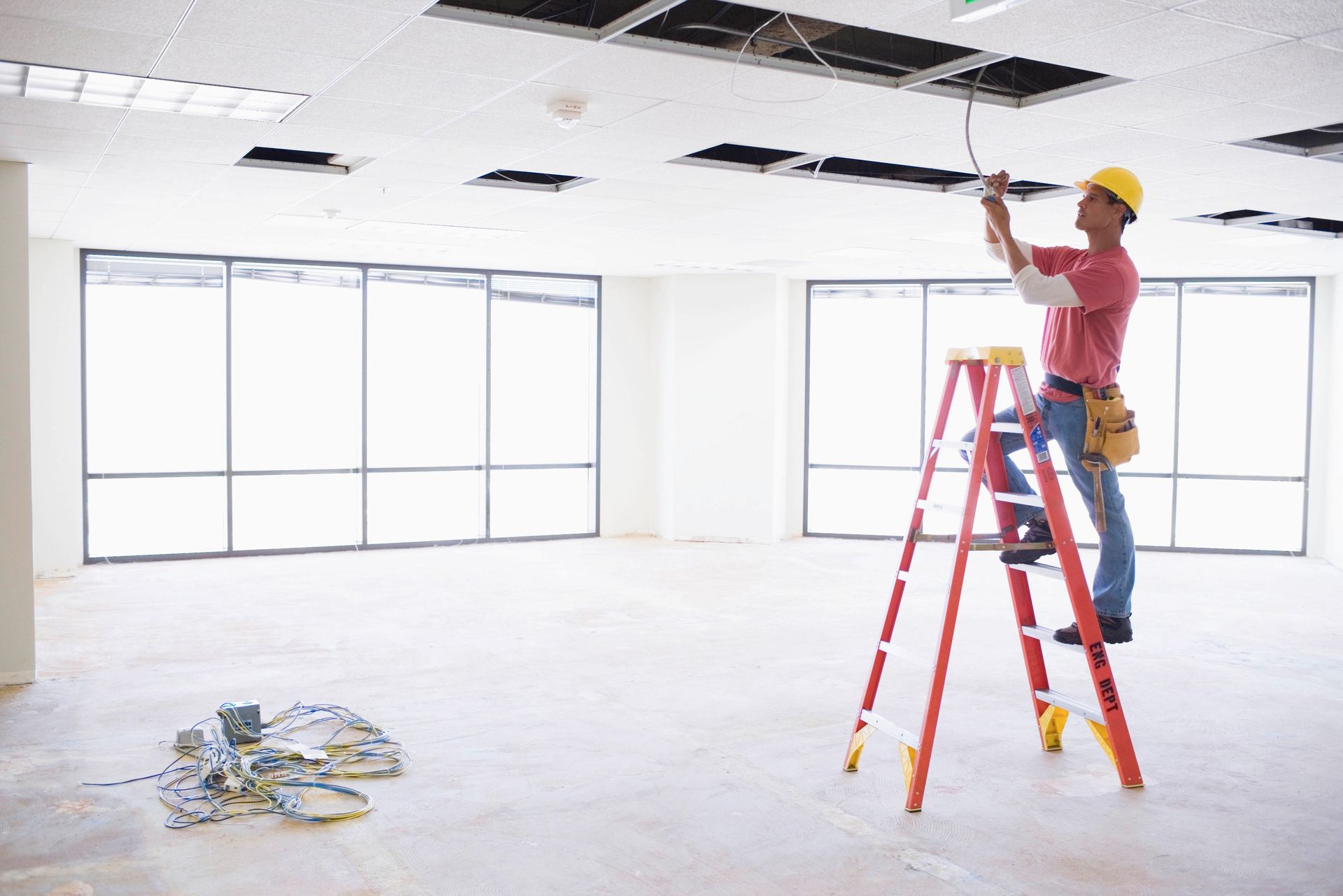
Once the design and coordination phases are complete, contractors move on to the installation of electrical components. This includes running electrical wiring through conduits, installing circuit breakers, and integrating various electrical appliances. Skilled electricians follow the detailed design plans to ensure that installations comply with safety codes and functional requirements. This phase is labor-intensive and requires precision to prevent future electrical issues or hazards. Proper installation is critical for the long-term reliability and safety of the building's electrical system.
System Testing and Commissioning
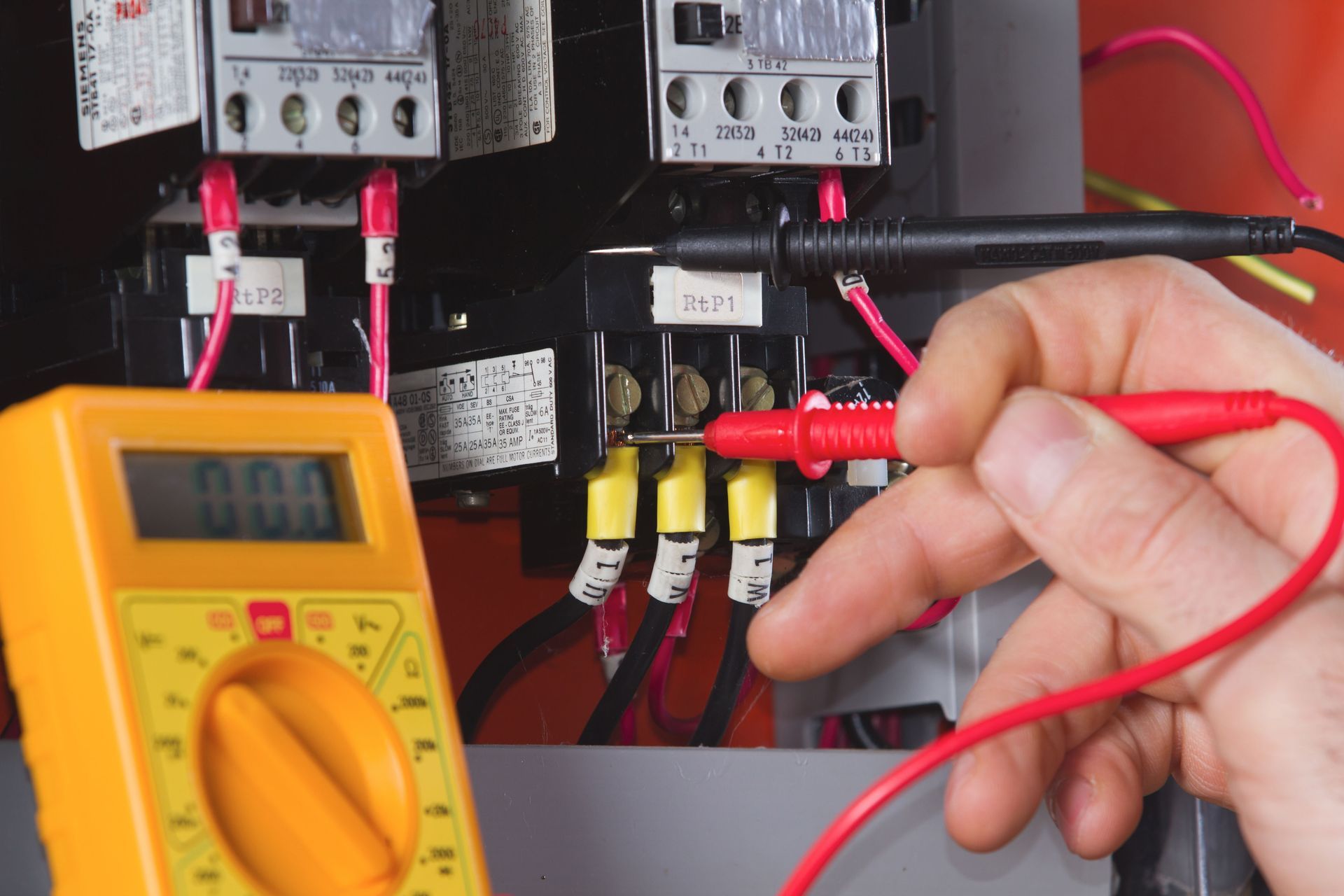
After installation, extensive testing and commissioning of the electrical system are conducted. This stage involves rigorous inspection and functional tests to ensure every component operates according to the design specifications. Contractors test load capacities, circuit integrity, and safety mechanisms to verify performance standards. Any anomalies or inefficiencies identified during testing are addressed immediately to avoid operational issues. Successful commissioning marks the official transition of the electrical system from contractors to building users.
Maintenance and Repair Services
Routine Electrical System Inspections
Regular inspections are vital for maintaining the integrity and functionality of a building's electrical system. Licensed electricians carry out these routine checks to identify any potential risks or inefficiencies. They inspect wiring, panels, and all electrical connections to ensure they meet the required safety standards. Routine inspections help prevent failure and extend the lifespan of electrical systems, thus saving on costly repairs and downtime. In 2024, over 350 miles of electricity transmission lines were completed according to FERC.gov, highlighting the growing demand and complexity in electrical networks that demand diligent maintenance efforts.
Preventive Maintenance Strategies
Preventive maintenance strategies are designed to proactively address potential issues in electrical systems before they escalate. Electrical contractors develop detailed maintenance plans that cover regular servicing, cleaning, and testing of equipment and systems. By implementing these strategies, they can significantly reduce the risk of unexpected failures and ensure consistent electrical performance. Preventive maintenance also includes updating and replacing obsolete components to keep systems in line with technological advances. This approach is cost-effective, contributing to the overall operational efficiency of commercial buildings.
Emergency Repair Services
When electrical failures occur, timely emergency repair services are critical in restoring operations and minimizing downtime. Commercial electrical contractors must be equipped to respond swiftly to any electrical emergencies, regardless of their complexity or scale. They provide 24/7 services to address issues such as power outages, faulty wiring, or equipment failures. Emergency repairs require quick diagnosis and effective solutions to prevent disruptions that could affect business operations. Contractors use specialized equipment and expertise to ensure fast and safe electrical repair interventions.
Upgrading Electrical Components
Upgrading electrical components is often necessary to accommodate changes in business operations or advancements in technology. Commercial electrical contractors assess the existing systems and recommend upgrades that enhance performance or efficiency. Upgrading might include installing higher capacity transformers, integrating smart technology, or enhancing energy efficiency through modern components. Such upgrades not only improve the system's performance but also reduce operational costs in the long term. Contractors ensure that all upgrades comply with prevailing electrical codes and safety standards.
Data and Communication Cabling
Network Infrastructure Design
The design of network infrastructure is a fundamental component of effective data and communication systems in modern commercial facilities. Contractors work closely with IT specialists to develop robust and scalable infrastructure capable of supporting current and future communication needs. This phase involves planning the layout for data cables, addressing bandwidth requirements, and ensuring efficiency in data flow. The focus is on creating a resilient network that minimizes latency and maximizes speed and reliability. Proper design ensures seamless integration of communication systems and supports organizational growth.
Installation of Structured Cabling Systems
Structured cabling systems form the backbone of an enterprise's data and communication network. Commercial electrical contractors have expertise in installing these systems to facilitate efficient and reliable data transmission. This involves laying down standardized cables, connecting network hardware, and ensuring proper termination across all points. Structured cabling provides the flexibility to adapt to changes and expansions without overhauling existing infrastructure. Expert installation ensures minimal interference, high data transfer rates, and ease of maintenance and upgrades.
Fiber Optic Cable Installation
Fiber optic cables are essential for high-speed data transfer, making their installation a valuable service offered by commercial electrical contractors. These cables offer significantly higher bandwidth and more efficient transmission over longer distances than traditional copper cables. Contractors install fiber optic systems inside and outside buildings to ensure access to reliable, high-speed internet. Expertise in fiber optics is critical as technology advances and businesses require faster data processing and transmission capabilities. Proper installation minimizes loss and boosts efficiency, allowing organizations to keep pace with technological demands.
Testing and Certification Services
Testing and certification services are vital for ensuring that data and communication cabling systems meet quality and performance standards. Commercial electrical contractors conduct thorough tests on installed cabling to detect any faults, interference, or connectivity issues. They utilize specialized equipment to certify that all installations adhere to industry standards and manufacturers' specifications. Certification guarantees that systems can handle the bandwidth and performance demands placed upon them. Comprehensive testing and certification provide assurance of network integrity and continuity for commercial operations.
Maintenance of Communication Networks
The maintenance of communication networks is crucial to avoid disruptions in data flow and ensure continued efficiency. Contractors provide periodic inspections and servicing to identify potential problems before they affect operations. Maintenance includes testing network speeds, checking cable integrity, and updating equipment to handle growing needs. With regular maintenance, businesses prevent costly network failures and prolong the lifespan of their communication infrastructure. Skilled contractors ensure that all components function optimally, supporting seamless communication within and outside the organization.
Commercial electrical contractors offer a comprehensive suite of services essential for the safe and efficient operation of electrical systems in commercial settings. From design and installation to maintenance, repair, and safety compliance, their expertise ensures that electrical infrastructures meet the demanding needs of various businesses. Engaging qualified professionals helps mitigate risks, enhance efficiency, and ensure compliance with regulations across diverse electrical applications. As technology and demand continue to evolve, the role of electrical contractors remains critical in supporting modern commercial infrastructures and ensuring continuity, safety, and sustainability in business operations. Reach out to Bay State Electric Inc today to see how we can help you!
Share On: